ASTREA-16
on the stories we love
What feat, for an artwork to break your heart and piece it back together again in the same viewing. A larger feat it is still for it to reproduce the experience over several instances of viewing. Only a piece of art which is experienced linearly can produce this effect. A painting, on the other hand, can only suggest a combination of effects based on the path one’s gaze takes across its various features. It has no start, nor does it have an end. It simply exists as a whole; complete; ready to be considered in its fullness.
A single panel from a comic book may evoke particular feelings to the reader, but only because they are capable of relocating the panel within the rest of the material. Memory is the driving force of storytelling. A story insists that you remember what has been said at the beginning so that you make sense of everything that follows. It requires effort — it requires
attention.
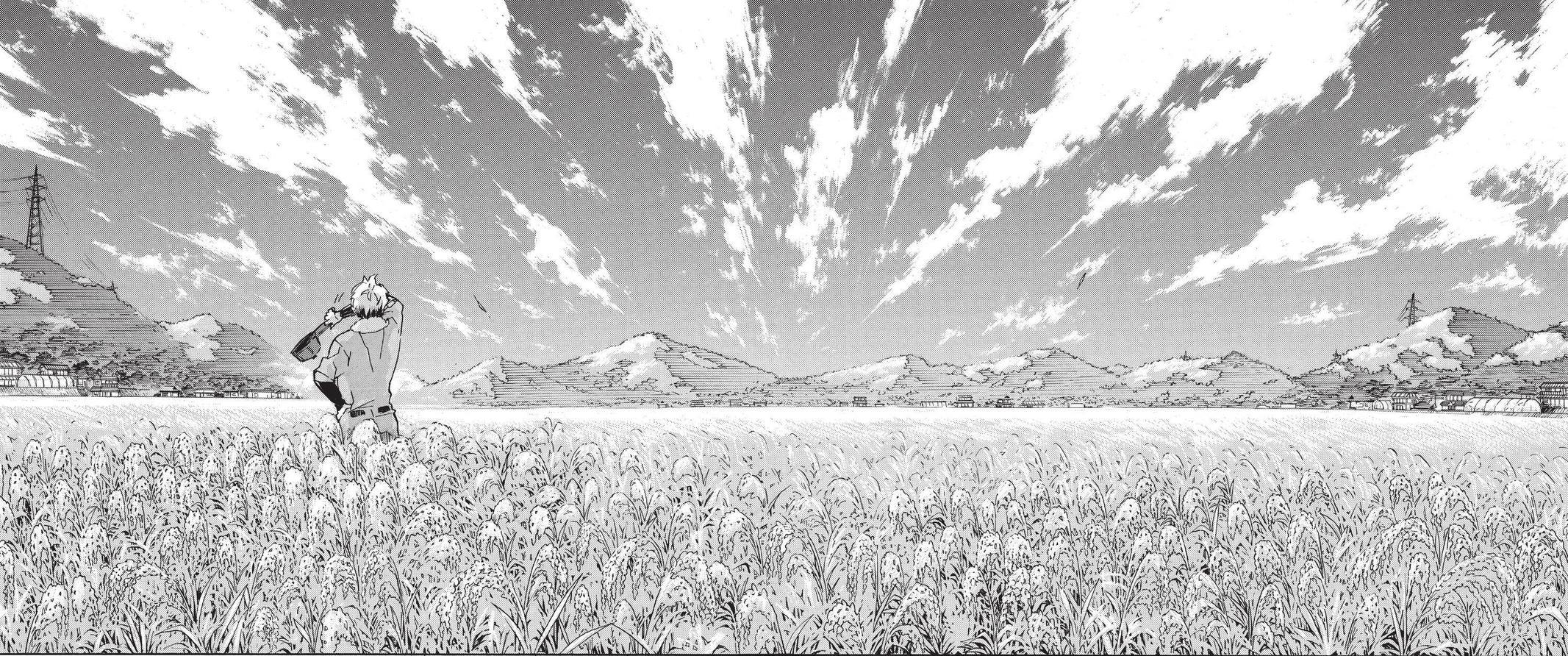
This is not to say that we need to remember every single detail of a story in order to let it run its course. Sometimes, it is the careless omission of particular elements that creates a good twist. The forgetful viewer enjoys the thrill of unexpected turns of events, and the careful one is rewarded for their attention. Rule number one of storytelling: people love to feel smart.
Perhaps this is where disappointment arises: when a viewer who has been paying close attention does not feel satisfied with the reward; in other words, when there is an unbalance in the exchange. The material fails to deliver a certain quality of experience, and the viewer walks out of the theatre feeling like they’ve wasted 20 dollars. The same goes for the careless viewer, who instead of being taken along for an exciting ride, feels as though the events are washing over them one after the other without leaving a mark. The result, in this case, is overwhelming, and about as productive as its counterpart.
But let’s return to the example of the painting for a moment: don’t some paintings tell great stories, too? It is true that an artist can guide the gaze of the viewer with various techniques, increasing the line weight here and reducing the contrast in values there. We know, instinctively, where to look next, because each element has been carefully laid out in relation to its surroundings. As such, one may experience a series of emotions upon first encountering a piece as they slowly work through it.
Suppose now that this viewer encounters the same painting later in life. What they recall is still the product in its entirety; it is the cohesive whole that may or may not engender a set of conflicting emotions. Everything is contained within a single frame, changed only by the slow and devastating passage of time. It still does not quite accomplish what film or any other storytelling tradition does, which is to make memory an embedded part of the process. A film, by nature, flips through a series of frames at such high speed it creates the illusion of movement. There is no stopping movement. Neither freeze frames nor flashbacks are an absence — or, god forbid, a reversal — of movement. Frames are still running at the same rate, always forward. The illusion of stillness they depict is a matter of perception; it is what the viewer accepts as truth in order to make sense of the story. A flashback is only a flashback because one remembers its first occurrence.
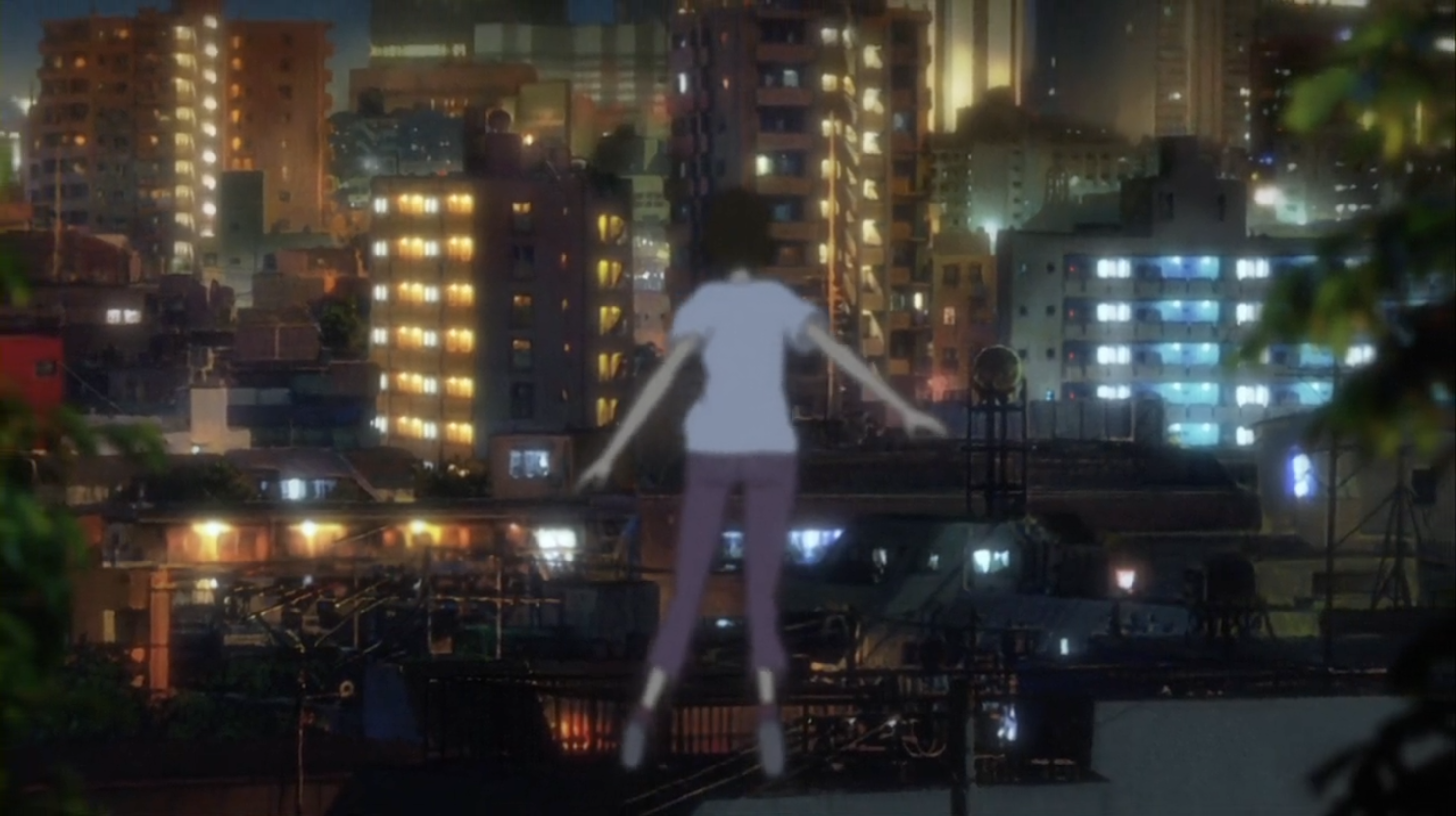
Then how come we get to watch the same film over and over and still cry every single time? In theory, we should know what to expect from it. It is true that the emotional impact loses some of its novelty by a certain point and begins to turn into anticipation instead, a sort of manufactured nostalgia. But perhaps it is the anticipation itself that makes the viewing experience appealing — perhaps it is the desire to revisit that which can only be repeated in stories. Why bother remembering at all otherwise?
I have been using the example of film a lot, but this is especially true of the medium. The one André Bazin so fervently praised for being the only medium capable of preserving life and placing it in an ideal world without death; the only one capable of capturing the true essence of things — allegedly. Every attempt at hyperrealism has been and will only ever be shallow imitations in comparison to photography.
Now, I have my own gripes with Bazin, but if there is one aspect of his arguments worth considering, it is that every film is inherently a funeral. It is witnessing the ritual passing of life, only it does not lead to death but to a world whose boundaries are the ones imposed by the artist. Every face, every shadow, immortalized forevermore.
Time is so fleeting, the greatest gift we can give ourselves are these tiny fragments of divinity, if only to remember that we were here, once, and that we loved and were loved. And maybe cried watching movies.
